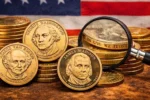
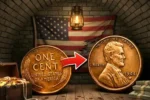
133 Rare U.S. Coins: Every year, collectors and everyday people discover valuable coins hiding in drawers, piggy banks, and inherited collections. The world of numismatics proves that even small change can hold life-changing value. Across American history, certain rare issues, minting mistakes, and limited releases have turned ordinary currency into extraordinary wealth.
From colonial-era gold pieces to modern mint errors, the United States has produced hundreds of coins that now sell for thousands — sometimes millions — of dollars.
Below is a guide to understanding why rare coins are valuable and which famous examples inspire collectors worldwide.
Why Some Coins Become Valuable
Rare coins gain value for several key reasons.
Limited mintage
When only a small number of coins are produced, surviving examples naturally become scarce.
Minting errors
Mistakes during production — such as double strikes or wrong metal composition — can create unique coins.
Historical importance
Coins tied to major historical moments attract strong demand.
Condition
A perfectly preserved coin may be worth hundreds of times more than a worn example.

Collector demand
Popularity among collectors can dramatically increase price.
Legendary U.S. Coins Collectors Dream About
Some rare coins have become famous worldwide due to record-breaking auction sales.
-
1933 Saint-Gaudens Double Eagle — One of the most valuable coins ever sold
-
1794 Flowing Hair Silver Dollar — Considered the first U.S. silver dollar
-
1913 Liberty Head Nickel — Only five known examples
-
1804 Draped Bust Dollar — Known as the “King of American Coins”

-
1894-S Barber Dime — Extremely low mintage rarity
These coins represent the top tier of collecting, but many lesser-known coins can still be worth impressive amounts.
Valuable Coins You Might Actually Find
Not every rare coin is locked in a museum. Some valuable pieces have been discovered in circulation or family collections.
Examples include:
-
Early wheat pennies
-
Silver dimes and quarters before 1965
-
Proof coins accidentally released into circulation
-
Off-center strikes
-
Double-die errors
Careful examination can sometimes reveal surprising value.
Typical Value Levels
| Coin Type | Possible Value Range |
|---|---|
| Minor Errors | $20 – $200 |
| Scarce Dates | $100 – $1,000 |
| Key Date Coins | $1,000 – $50,000 |
| Famous Rarities | $100,000 – Millions |
Actual prices depend heavily on grade and authenticity.
How to Check Your Coins
Start by sorting coins by date and mint mark. Use a magnifying glass to inspect details and look for unusual features. Compare suspicious pieces to verified images in coin reference guides.

If a coin appears unusual, professional grading is essential. Authentication protects against counterfeit pieces and helps determine accurate market value.
Protecting Potential Treasure
If you believe you found a rare coin:
-
Do not clean it
-
Store it in a protective holder
-
Avoid touching the surface
-
Seek professional evaluation
Improper handling can dramatically reduce value.
1. Are rare coins still found today?
Yes. Valuable coins are occasionally discovered in old collections and circulation.
2. What is the easiest valuable coin to find?
Silver coins minted before 1965 are commonly found and worth more than face value.
3. Should I polish old coins?
No. Cleaning usually reduces collector value.
4. Do I need professional grading?
Yes, for any coin suspected to be rare or valuable.